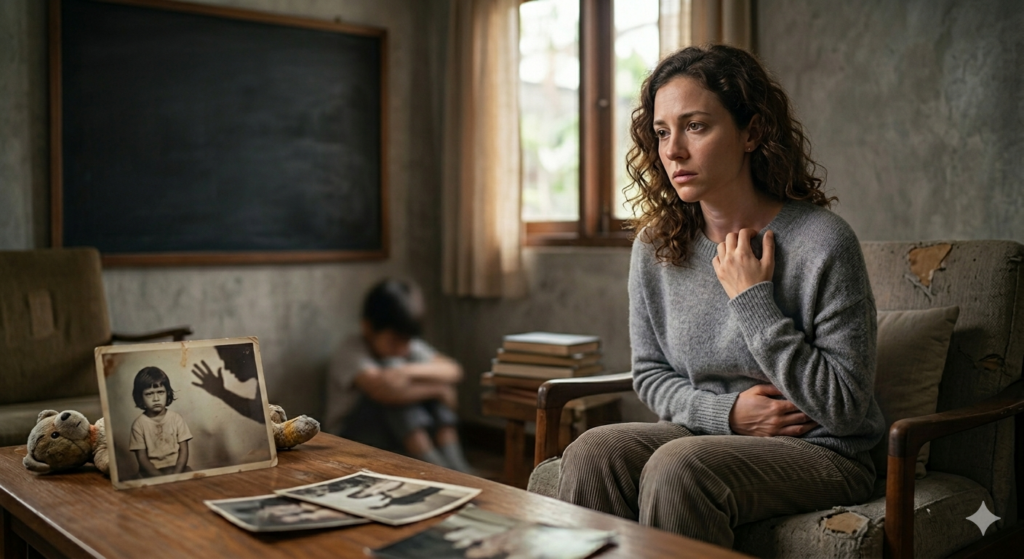
Childhood trauma does not only affect memories or emotions during early life. Over time, difficult childhood experiences may also affect the body and nervous system in ways that many adults do not immediately recognize. Experiences such as emotional neglect, unstable home environments, constant criticism, abuse, bullying, or growing up around chronic stress can continue affecting the body long after childhood has ended.
Because of this, many adults live with unresolved childhood trauma symptoms without understanding the connection between early emotional stress and physical wellbeing. They may experience fatigue, muscle tension, anxiety, sleep problems, emotional overwhelm, or hypervigilance without realizing these may be signs the body is still responding to childhood stress.
When the nervous system stays in a prolonged stress response during childhood, the body may learn to remain tense, alert, or emotionally exhausted as a form of protection. As a result, childhood trauma stored in the body may continue affecting emotional balance, relationships, stress responses, and overall health later in life.
What Does It Mean When the Body Holds Trauma?
The phrase “trauma stored in the body” refers to the way unresolved childhood stress or emotional experiences may continue affecting the body during adulthood. When a child experiences ongoing fear, emotional neglect, conflict, or instability, the nervous system may remain stuck in a chronic stress response instead of fully returning to a calm and regulated state.
As a result, childhood trauma and nervous system stress may affect muscles, breathing patterns, digestion, sleep quality, and emotional reactions for years. Some adults notice constant tension in the body, shallow breathing, fatigue, or difficulty relaxing even in safe environments.
In many cases, the body continues reacting as if danger is still present, even when childhood experiences are long over. This response is sometimes described as body memory because the nervous system can hold survival patterns connected to past emotional stress. Over time, body holding childhood trauma may contribute to chronic stress symptoms, emotional overwhelm, and ongoing physical discomfort.
Physical Signs Your Body May Be Holding Childhood Trauma
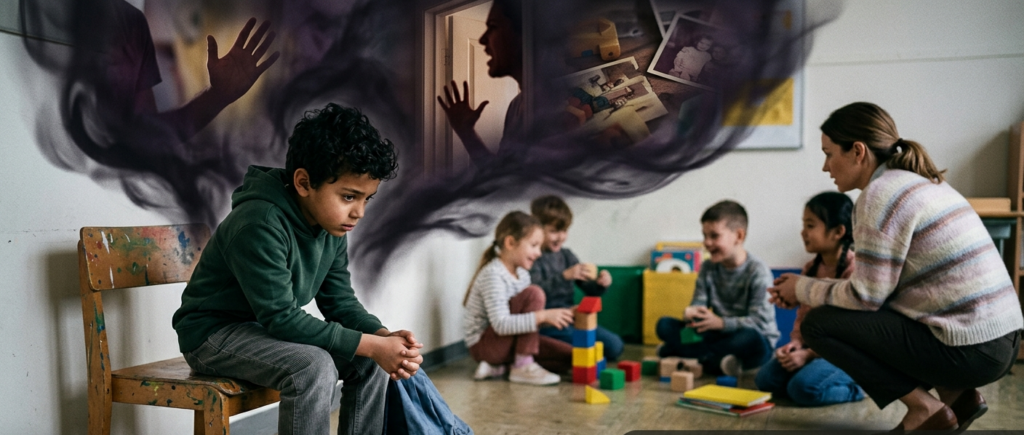
Childhood trauma physical symptoms may appear through ongoing discomfort or stress-related changes in the body, even when there is no clear medical explanation. When a child grows up in a stressful, unpredictable, or emotionally unsafe environment, the nervous system may become conditioned to stay constantly alert for danger. Over time, this prolonged stress response can keep the body tense, overstimulated, and emotionally exhausted well into adulthood.
Because of this chronic nervous system activation, many adults experience physical symptoms of childhood trauma that affect sleep, energy levels, digestion, and overall daily comfort. According to Signs of Childhood Trauma in Adults, unresolved childhood trauma may continue affecting emotional regulation, stress responses, relationships, and physical health later in life.
Common physical symptoms of childhood trauma may include:
- Chronic neck and shoulder tension
- Jaw clenching or teeth grinding
- Headaches or migraines
- Digestive problems
- Fatigue even after resting
- Insomnia or light sleep
- Chest tightness
- Body aches and chronic pain
- Panic symptoms
- Rapid heartbeat during stress
These symptoms often develop because the body remains stuck in survival mode long after the original childhood stress has ended. As a result, unresolved childhood trauma may continue contributing to stress related pain, emotional overwhelm, and nervous system dysregulation during adult life. Recognizing these physical symptoms can help people better understand the long-term connection between childhood experiences, emotional stress, and overall wellbeing.ences and physical wellbeing.
Emotional and Behavioral Signs of Unresolved Childhood Trauma
Unresolved childhood trauma can affect emotional regulation, relationships, and everyday behavior in subtle but lasting ways. Many adults normalize these patterns because they developed them as survival responses during childhood. However, these behaviors may continue affecting emotional wellbeing and relationships long after the original experiences have ended.
Common emotional trauma symptoms linked to childhood trauma may include:
- Emotional numbness
- Overthinking and constant worry
- Hypervigilance symptoms or feeling constantly alert
- Fear of abandonment
- People-pleasing behaviors
- Difficulty trusting others
- Irritability or emotional reactivity
- Emotional overwhelm
- Feeling constantly unsafe, even in calm situations
- Shutting down during conflict or stress
These unresolved childhood trauma symptoms may develop because the nervous system learned to stay in survival mode during early life. Over time, these patterns can affect communication, boundaries, self-esteem, emotional safety, and overall wellbeing.
Why Childhood Trauma Keeps the Nervous System in Survival Mode
The body uses the fight-or-flight response to protect itself during stress or danger. This response increases alertness, heart rate, and stress hormones so the body can react quickly. However, when a child experiences ongoing emotional stress, neglect, fear, or instability, the nervous system may struggle to return to a calm and balanced state.
As a result, many adults with unresolved trauma experience nervous system dysregulation and ongoing survival mode symptoms even in safe situations. The body may continue releasing cortisol and other stress hormones, which can contribute to emotional exhaustion, anxiety, chronic tension, and burnout over time.
This overstimulated nervous system may also affect sleep, digestion, focus, and energy levels. Some adults experience fight or flight symptoms such as insomnia, rapid heartbeat, digestive discomfort, difficulty concentrating, or constant anxiety without realizing these responses may be connected to childhood stress.
Because of this, nervous system healing often becomes an important part of trauma recovery. Helping the body feel safe again may support emotional balance, relaxation, and long-term wellbeing.
Holistic Approaches That May Support Childhood Trauma Healing

Healing from childhood trauma often involves more than emotional recovery alone. Because unresolved childhood stress can affect both the mind and body, many people benefit from approaches that support emotional wellbeing, physical relaxation, and nervous system regulation together.
Supportive practices for childhood trauma healing may include:
- Therapy or trauma-informed counseling
- Mindfulness and breathing exercises
- Somatic healing practices
- Nervous system regulation techniques
- Acupuncture for trauma and emotional healing
These approaches may help adults better manage stress, improve emotional awareness, and create a greater sense of safety in the body. Over time, consistent support may also help reduce emotional overwhelm and chronic tension connected to unresolved childhood trauma.
In particular, acupuncture for trauma may help calm stress responses and encourage relaxation by supporting the nervous system. As a result, some people experience better sleep, reduced tension, and improved emotional balance as part of their healing journey.
Conclusion
Childhood trauma can affect the body in many different ways, from chronic tension and fatigue to emotional overwhelm and nervous system stress. In many cases, these symptoms continue into adulthood without a clear explanation. However, emotional and physical responses connected to childhood trauma are real, valid, and closely linked to the body’s long-term stress response system.
With the right support, healing and nervous system recovery are possible. Approaches that support emotional balance, stress regulation, and overall wellbeing may help the body gradually move out of survival mode and into a calmer, more grounded state over time.
To learn more about holistic childhood trauma healing, emotional wellness, and supportive approaches such as acupuncture, visit Kelly Lee Wellness and explore supportive resources designed to support your healing journey.
