How Childhood Trauma Affects Adults: Emotional, Physical, and Nervous System Symptoms
Childhood trauma can affect a person long after childhood ends. Many adults experience emotional, physical, and behavioral changes without realizing that unresolved childhood trauma may be the root cause. Stressful experiences during early life can shape how the brain, body, and nervous system respond to fear, relationships, and daily challenges. As a result, childhood trauma symptoms in adults often appear through anxiety, emotional numbness, low self-esteem, chronic stress, or difficulty building healthy connections with others. In some cases, emotional trauma symptoms also affect sleep, energy levels, and physical health. Understanding these effects is an important step toward healing, improving emotional wellbeing, and creating healthier patterns in adult life.
What Is Childhood Trauma?
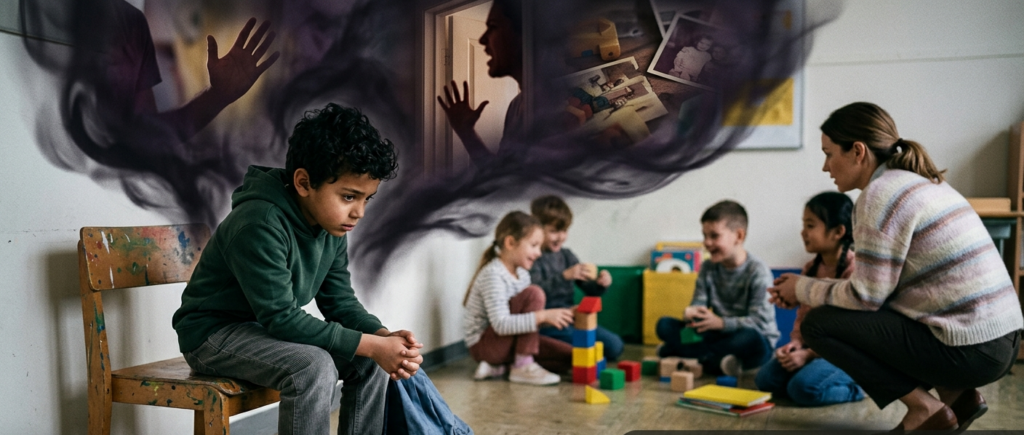
Childhood trauma is a stressful or painful experience that affects a child’s emotional and mental wellbeing. Trauma can shape how a person thinks, feels, and responds to situations later in life. In many cases, unresolved childhood trauma continues to affect adults emotionally and physically.
Childhood trauma is not always caused by severe abuse. Ongoing negative experiences can also create lasting emotional trauma, especially during important stages of development.
Common examples of childhood trauma include:
- Emotional neglect
- An unstable home environment
- Bullying
- Loss of a parent or caregiver
- Constant criticism
- Physical abuse
- Emotional abuse
Over time, childhood trauma can affect self-esteem, relationships, stress levels, and emotional health. Recognizing these experiences is an important step toward understanding emotional trauma and beginning the healing process.
How Childhood Trauma Affects the Brain and Nervous System
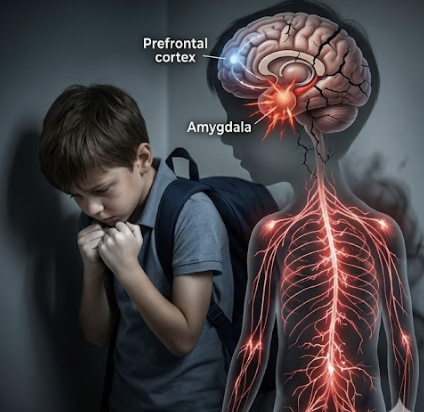
Childhood trauma can strongly affect the brain and nervous system, especially when a child experiences stress for a long time. Normally, the body uses the fight-or-flight response to protect itself from danger. This response increases alertness, heart rate, and stress hormones so the body can react quickly. However, when stress happens repeatedly during childhood, the nervous system may stay active for too long.As a result, the body can become stuck in survival mode. In addition, high levels of cortisol, which is the main stress hormone, may affect emotional regulation, sleep, and overall wellbeing. Over time, this can lead to nervous system dysregulation and ongoing fight or flight symptoms, even when no real danger exists.Because of this, many adults with unresolved trauma feel constantly anxious, overwhelmed, or hyper-alert in safe situations. They may struggle to relax, trust others, or feel emotionally secure. Understanding the connection between trauma and nervous system responses can help people recognize survival mode symptoms and begin the healing process.
Emotional and Physical Symptoms of Childhood Trauma in Adults
Unresolved childhood trauma can affect both emotional and physical health in adulthood. Many adults experience emotional trauma symptoms without realizing that past experiences may be connected to their current struggles. In some cases, the nervous system remains in survival mode, which can make everyday stress feel overwhelming.
Emotionally, adults with childhood trauma may experience:
- Anxiety or constant worry
- Low self-esteem
- Emotional numbness
- Mood swings
- Fear of rejection or abandonment
- Difficulty trusting others
At the same time, childhood trauma can also affect the body. Chronic stress and nervous system dysregulation may lead to physical symptoms that continue for years.
Common physical symptoms include:
- Fatigue or low energy
- Sleep problems
- Muscle tension
- Headaches
- Digestive issues
- Increased stress sensitivity
Over time, these emotional and physical symptoms can affect relationships, work, and overall wellbeing. Recognizing these patterns is an important step toward understanding unresolved childhood trauma and starting the healing process.
Healing Childhood Trauma and Supporting Nervous System Recovery

Healing from childhood trauma is possible, but it often takes time, consistency, and the right support. Trauma recovery is not only about processing emotions. It also involves helping the body and nervous system feel safe again. Because unresolved trauma and chronic stress can keep the body in survival mode, many people experience ongoing nervous system dysregulation that affects both emotional and physical health.
For this reason, holistic trauma healing often focuses on emotional healing and nervous system regulation together. Supportive approaches may help reduce stress, improve emotional balance, and support long-term recovery.
Some common approaches include:
- Therapy or trauma-informed counseling
- Mindfulness and breathing exercises
- Nervous system regulation practices
- Somatic healing techniques
- Acupuncture for trauma and emotional healing
In particular, acupuncture may help calm the nervous system by promoting relaxation and reducing stress responses in the body. As a result, some people feel more emotionally balanced, grounded, and physically relaxed after consistent treatment.
However, professional support is especially important when trauma symptoms begin interfering with daily life. Signs that may indicate the need for trauma recovery support include:
- Severe anxiety
- Chronic stress symptoms
- Insomnia or poor sleep
- Emotional burnout
- Panic symptoms
- Unexplained physical pain
- Emotional overwhelm
- Persistent fatigue
With the right care and support, many people can improve emotional wellbeing, regulate stress more effectively, and begin the process of nervous system healing over time.
Conclusion
Childhood trauma can affect both the mind and body in many ways. Emotional struggles, chronic stress, and nervous system symptoms may continue into adulthood, especially when unresolved trauma remains unaddressed. However, these experiences are valid, and many people share similar emotional and physical challenges.
Most importantly, healing is possible with time, support, and self-awareness. Understanding the connection between trauma and the nervous system can help people recognize their symptoms with more compassion instead of self-judgment. In addition, exploring holistic healing approaches, nervous system regulation practices, or professional support may help improve emotional wellbeing and overall quality of life.
If trauma symptoms continue to interfere with daily activities, relationships, or physical health, seeking professional guidance can be an important step toward long-term healing and recovery.
To learn more about holistic wellness, nervous system regulation, and supportive approaches for emotional healing, visit Kelly Lee Wellness and explore resources designed to support your healing journey.
